Explore Our Assessment Services
Every child is different. Bloom Paediatric Occupational Therapy offers specialist assessment and consultations to help families understand and support their child’s strengths, needs and participation in everyday life.
Not sure which service is appropriate?
Begin with a parent consultation to discuss the next best step.
What We Offer
Services should not depend on a child’s ability to cope with an unfamiliar person, place or routine. Before the appointment, parents and carers are invited to share their child’s communication preferences, sensory needs and any adjustments that may help them feel safe and prepared.
Explore the specialist assessment and consultation services available, designed to provide a clearer understanding of your child’s strengths, needs and next steps.
-
A focussed 40-minute online consultation for parents and carers who would like professional guidance about their child’s development, sensory needs, coordination or participation in everyday activities.
You will receive a short sensory screening form beforehand so the consultation can focus on your main concerns and priorities. During the session, we will discuss what you are noticing, consider practical initial strategies and identify whether a more detailed OT assessment or another referral may be helpful.
Please note that a consultation is not a formal assessment or diagnostic appointment. -
This assessment helps build a clearer understanding of how your child notices, processes and responds to sensory information - and how this may affect daily activities, emotional regulation, learning and participation.
This assessment may include:Developmental and occupational history
Sensory Profile 2 questionnaires completed y a parent or carer and the child’s school
A clinic-based session incorporating observation and sensory-informed activities
A written report explaining findings
Individualised recommendations for home and school
-
A comprehensive occupational therapy assessment for children experiencing difficulties with coordination, balance, handwriting, self-care, physical activities or learning new motor skills.
Depending on the child’s needs, the assessment may include:
Developmental, medical and occupational history
Developmental Coordination Questionnaire (DCDQ)
Movement Assessment Battery for Children 3rd Edition (MABC-3)
Beery Visual Motor Integration assessment where appropriate
A written report and practical recommendations
If appropriate, the assessment and report can provide evidence to support onward referral to a paediatrician or appropriate diagnostic team to confirm or refute a diagnosis of Developmental Coordination Disorder.
-
Professional consultation for SENCOs, teachers and education teams supporting a child whose sensory, motor or functional needs are affecting their participation in school.
Consultations can help staff understand the child’s presentation, identify barriers within the school day and develop practical, achievable strategies. Recommendations may relate to classroom accessibility, sensory regulation, handwriting, motor coordination, self-care or participation in routines and activities.
School consultation does not replace an individual occupational therapy assessment where a comprehensive evaluation is required. -
Accessibility support is always provided to support children to feel safe and prepared for their appointment.
Depending on the child’s individual needs, support may include:A photo-based “what to expect” guide, or visual preparation story
Photographs of the clinic and assessment room before the appointment
A clear visual schedule and “First-Then” supports
Simple, direct language and additional processing time
Movement, sensory or regulation breaks
Flexible pacing and choice wherever possible
Adjustments to seating, lighting or environmental distractions
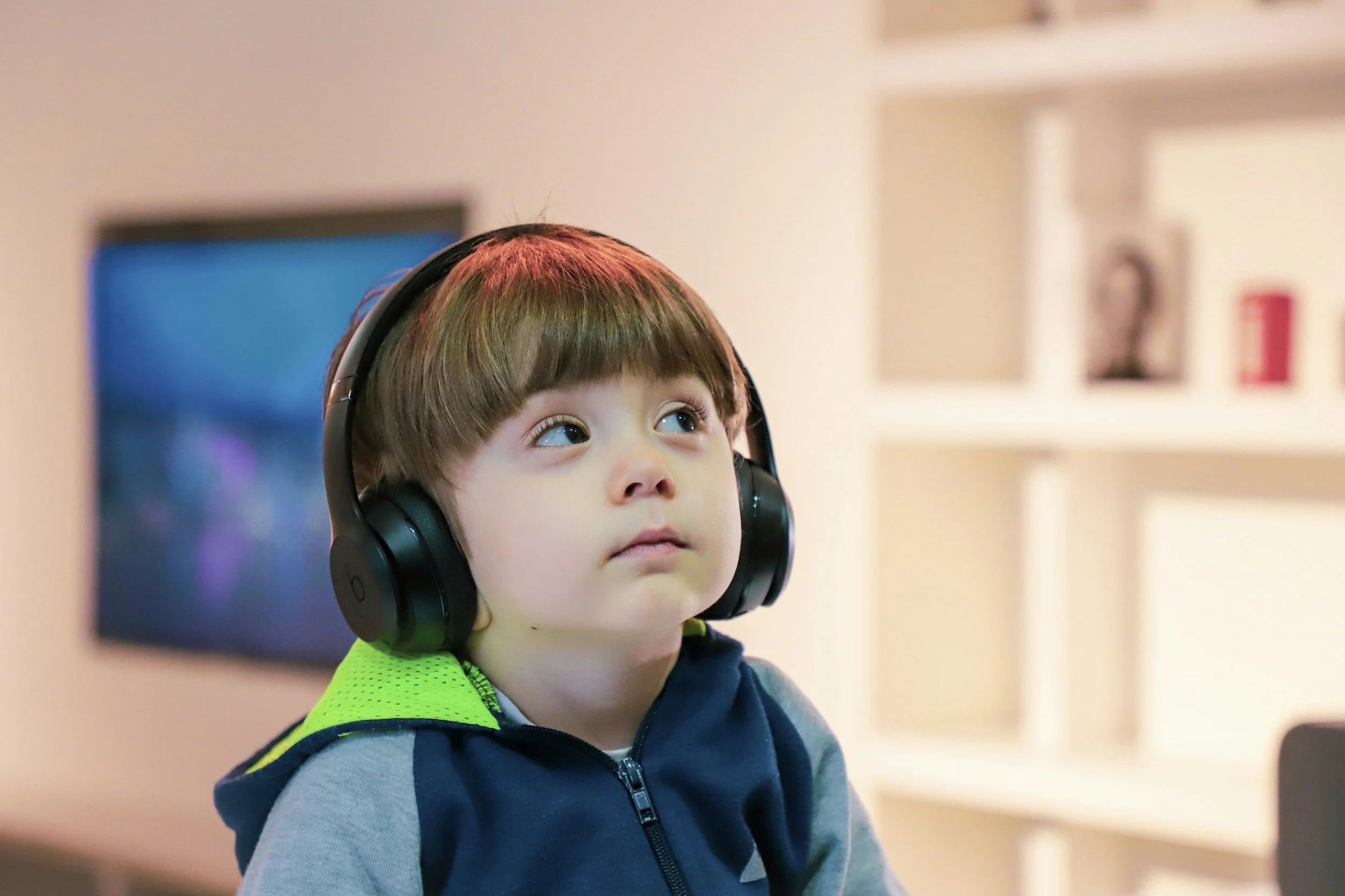
Use of familiar comfort items, headphones or communication supports
Parent or carer involvement where this supports participation
What to expect
Make an enquiry.
Share a brief overview of your child's main difficulties, how these affect everyday activities, and what support you are hoping for.
Complete the screening information.
You will receive the relevant forms and questionnaires before your first assessment appointment. This allows assessment time to focus on your child and the areas that matter most.
Attend the assessment appointment/s.
Consultation may take place online, while formal assessments are completed in clinic. Sessions are planned to be welcoming, child-friendly and responsive to individual needs.
Receive clear next steps.
Depending on the service selected, following assessment, you will receive practical recommendations included within a detailed written report. Where appropriate, findings can support conversations with school or onward referral to other professionals.

Make an enquiryPlease complete the form with a brief overview of the support you are looking for. Bloom will respond to discuss your enquiry and advise you about the most appropriate next step.
Please do not include detailed medical or confidential